
✅ Generic Name:
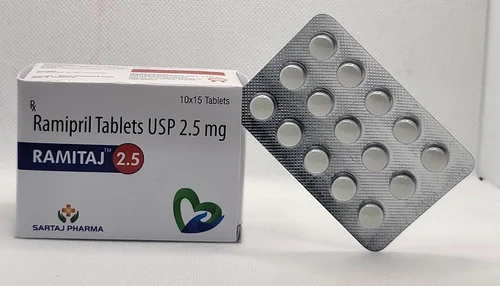
Ramipril 2.5 mg Tablet
✅ Prescription Status:
Prescription-only medicine (Rx) – Should be used under the supervision of a registered medical practitioner.
📄 Description:
Ramipril is an angiotensin-converting enzyme (ACE) inhibitor used primarily for hypertension, heart failure, and to reduce the risk of cardiovascular events. The 2.5 mg tablet is typically a starting or maintenance dose depending on the condition and the patient’s response.
Each tablet contains 2.5 mg of Ramipril.
🌿 Nature / Class:
- Pharmacologic Class: ACE Inhibitor
- Therapeutic Class: Antihypertensive, Cardiovascular protective agent
- Mechanism of Action:
Inhibits ACE, preventing conversion of angiotensin I to angiotensin II (a potent vasoconstrictor), resulting in vasodilation, decreased blood pressure, and reduced workload on the heart.
🎯 Purpose / Indications:
- Hypertension (high blood pressure)
- Heart failure (especially after myocardial infarction)
- Post-myocardial infarction (MI) management
- Prevention of stroke, heart attack, or death in high-risk patients
- Diabetic or non-diabetic nephropathy (kidney protection)
✅ Advantages:
- Once-daily dosing with long-lasting effect
- Reduces risk of cardiovascular events and mortality
- Offers renal protection, especially in diabetic patients
- Helps remodel the heart post-MI
- Can be used in combination with other drugs like diuretics or calcium channel blockers
📦 Common Packaging:
- Supplied in blister packs or bottles
- 10 tablets per strip is typical
- Tablet is usually white to off-white, round or oval, depending on brand
❄️ Storage Conditions:
- Store at room temperature (15°C–30°C)
- Protect from moisture, heat, and light
- Keep in original packaging
- Keep out of reach of children
👨⚕️ Patient Advice / Precautions:
- Take once daily, at the same time every day, with or without food
- Monitor blood pressure and kidney function regularly
- May cause:
- Dry cough (common with ACE inhibitors)
- Dizziness or light-headedness
- Increased potassium levels – avoid high-potassium foods or supplements unless advised
- Avoid during pregnancy – may harm fetus
- Use with caution in patients with renal artery stenosis, low blood pressure, or dehydration
- Inform your doctor if you experience facial or throat swelling (angioedema – medical emergency)
- Do not stop abruptly unless advised by your doctor