
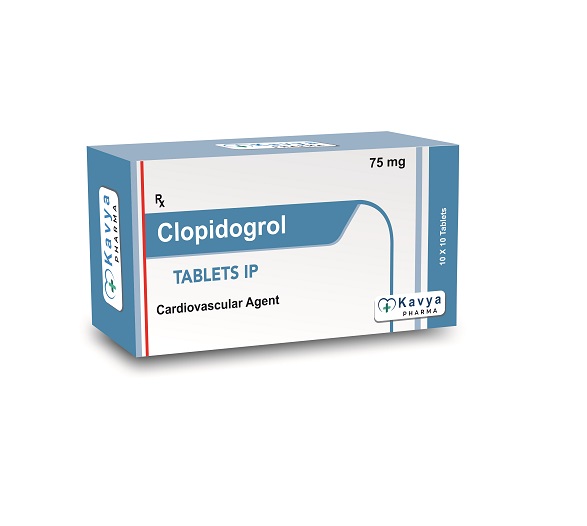
💊 Clopidogrel Tablet 75 mg
🔹 1. Prescription / Indication:
Clopidogrel 75 mg is an oral antiplatelet medication prescribed for:
- Prevention of blood clots in:
- Heart attack (myocardial infarction)
- Ischemic stroke
- Peripheral arterial disease (PAD)
- Post-stent placement (coronary angioplasty)
- Dual antiplatelet therapy (usually with aspirin) after acute coronary syndrome (ACS)
🔹 2. Description:
- Form: Oral tablet
- Strength: 75 mg
- Appearance: Typically round, light pink/purple, film-coated tablets (varies by brand)
- Administration: Taken once daily, with or without food
🔹 3. Advantages:
- Reduces risk of stroke, heart attack, and vascular death in patients with established atherosclerotic disease
- Well tolerated compared to aspirin in some patients
- Useful in patients allergic to aspirin
- Enteric-friendly and suitable for long-term use
🔹 4. Nature / Pharmacological Class:
- Class: Antiplatelet agent (Thienopyridine class)
- Mechanism of Action:
- Clopidogrel irreversibly inhibits the P2Y12 ADP receptor on platelets
- Prevents platelet aggregation and thrombus (clot) formation
🔹 5. Common Packaging:
- Strip packs or blister packs of:
- 10 tablets
- 14 tablets
- 30 tablets
- 100 tablets (hospital/institutional supply)
Common brand names: Clopilet, Plavix, Clopivas, Deplatt, etc.
🔹 6. Storage:
- Store at room temperature (15°C to 25°C / 59°F to 77°F)
- Protect from light and moisture
- Keep in original packaging
- Store out of reach of children
🔹 7. Patient Advice / Counseling Points:
- Take daily as prescribed, even if you feel well
- Can be taken with or without food
- Do not skip doses or stop without doctor’s advice (increases clotting risk)
- Inform your doctor/dentist before any surgery or dental procedures
- Avoid NSAIDs or other drugs that increase bleeding risk unless prescribed
- Report signs of bleeding:
- Blood in stools or urine
- Easy bruising
- Prolonged bleeding from cuts
- Nosebleeds or gum bleeding
- Avoid alcohol and smoking for best cardiovascular benefit
🔹 8. Purpose / Use:
- Prevention of thrombotic cardiovascular events
- Secondary prevention after:
- Heart attack
- Stroke
- Angioplasty/stent
- Treatment of peripheral arterial disease
- Alternative to aspirin in case of intolerance