
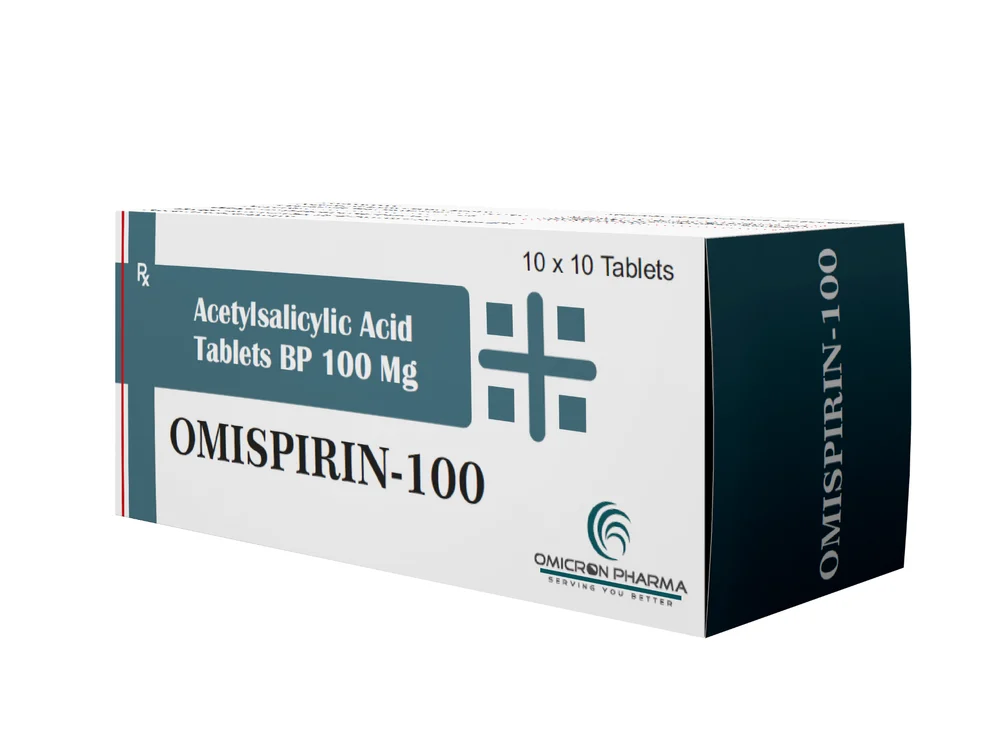
🔹 Generic Name:
Acetylsalicylic Acid
(Also known as: Aspirin, enteric-coated)
🔹 Strength:
100 mg (Enteric-coated tablet)
🔸 1. Prescription / Indication:
Acetylsalicylic Acid 100 mg enteric-coated tablet is commonly prescribed for:
- Prevention of cardiovascular events, including:
- Myocardial infarction (heart attack)
- Ischemic stroke
- Transient ischemic attacks (TIAs)
- Peripheral arterial disease
- Antiplatelet therapy post-angioplasty or stenting
- Sometimes used in low doses for chronic inflammatory conditions (under medical supervision)
Note: Not for acute pain or fever management at this dosage.
🔸 2. Description:
- Form: Oral tablet
- Coating: Enteric-coated – resists stomach acid and dissolves in the intestine to reduce gastric irritation.
- Color/Shape: Varies by brand; usually small, round, white or pale-colored.
🔸 3. Advantages:
- Reduces risk of blood clot formation by inhibiting platelet aggregation.
- Enteric coating minimizes gastrointestinal (GI) side effects like ulcers, nausea, and gastric bleeding.
- Suitable for long-term cardiovascular protection.
- Low-dose regimen (100 mg) has fewer side effects than higher doses.
🔸 4. Nature / Pharmacological Class:
- Class: Nonsteroidal anti-inflammatory drug (NSAID), Antiplatelet agent
- Mechanism: Irreversible inhibition of cyclooxygenase (COX-1 and COX-2) enzymes → decreases thromboxane A2 → inhibits platelet aggregation
🔸 5. Common Package:
- Blister packs or strip packs of:
- 10 tablets
- 14 tablets
- 28 tablets
- 30 tablets
- 100 tablets
- Bulk bottles (institutional use)
Brand names vary: Ecosprin AV, Aspirin Protect, Cardiprin, etc.
🔸 6. Storage:
- Store at room temperature: 15°C to 25°C (59°F to 77°F)
- Protect from moisture, heat, and direct light
- Keep in original packaging to preserve coating integrity
- Keep out of reach of children
🔸 7. Patient Advice / Counseling Points:
- Take whole — do not crush or chew enteric-coated tablets
- Best taken with water and after food to reduce GI discomfort
- Inform your doctor of:
- Any bleeding disorders
- Upcoming surgeries or dental procedures
- Use of anticoagulants, NSAIDs, or alcohol
- Avoid in children under 16 years (risk of Reye’s syndrome)
- Report signs of:
- Unusual bruising or bleeding
- Tarry stools
- Ringing in the ears
- Stomach pain
🔸 8. Purpose / Use:
- Prevention of clot-related cardiovascular events
- Secondary prevention of stroke and heart attack
- Long-term cardiovascular protection in high-risk patients (diabetes, hypertension, previous MI/stroke)