
✅ Generic Name:
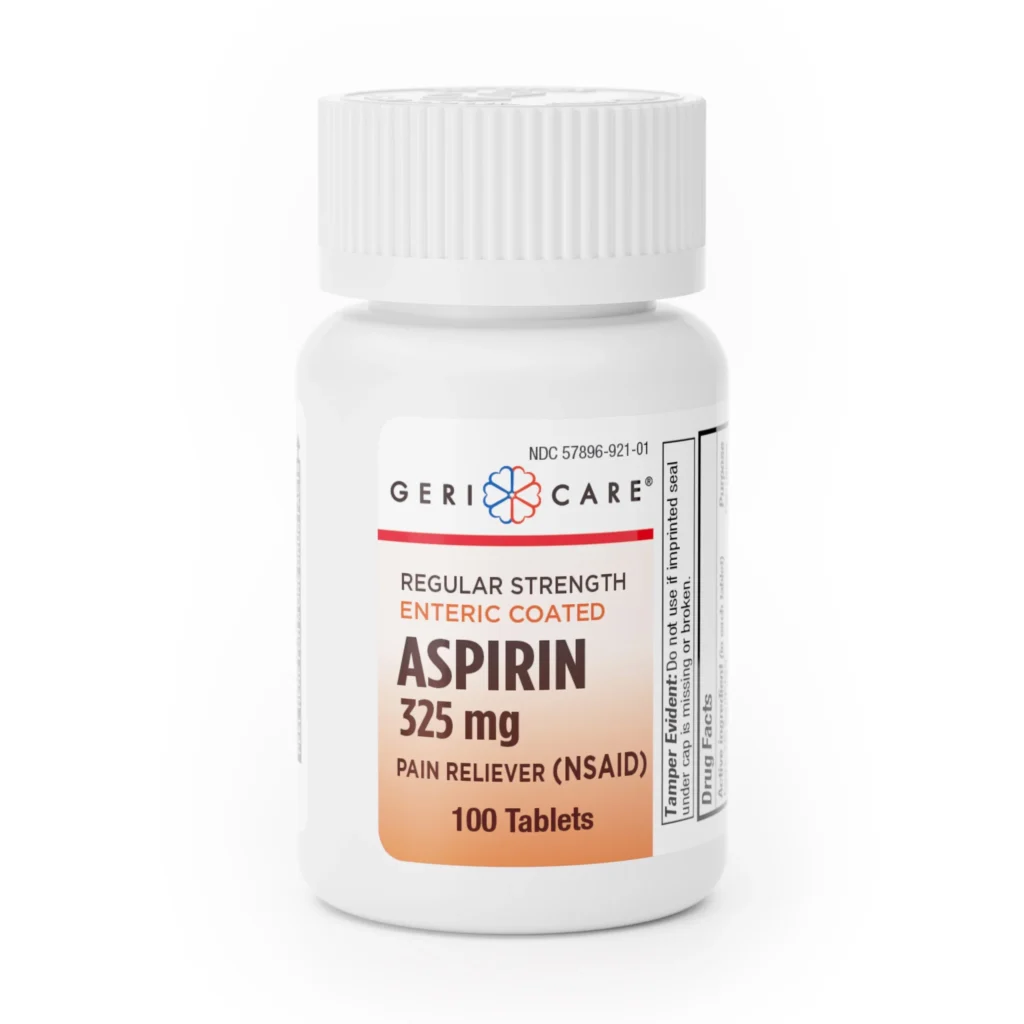
Acetylsalicylic Acid (ASA) 325 mg
(Common Name: Aspirin)
📄 Description:
Aspirin 325 mg is a non-steroidal anti-inflammatory drug (NSAID) that possesses analgesic, antipyretic, anti-inflammatory, and antiplatelet properties. This dose is often used for pain relief, fever reduction, and anti-inflammatory purposes, and also sometimes for cardiovascular protection in certain situations (e.g., acute heart attack).
It is available in different forms for flexibility in patient care:
- Conventional tablets
- Effervescent tablets
- Dispersible tablets
- Enteric-coated tablets
🌿 Nature / Drug Class:
- NSAID (Salicylate class)
- Antiplatelet agent
- Cyclooxygenase (COX) inhibitor
🎯 Purpose / Indications:
- Pain relief (mild to moderate pain)
- Fever reduction
- Inflammatory conditions (arthritis, musculoskeletal pain)
- Acute myocardial infarction (heart attack) – chewable use
- Ischemic stroke or TIA (as per doctor’s guidance)
- Rheumatic fever or other inflammatory rheumatic conditions
✅ Advantages:
- Multiple forms for different patient needs
- Rapid onset with dispersible/effervescent forms
- Enteric-coated form reduces gastric irritation
- Effective in pain, inflammation, and clot prevention
- Low-cost and widely available
📦 Common Packaging:
- Tablet strength: 325 mg
- Strip or blister packs: usually 10 or 15 tablets per strip
- Boxes may contain 30, 50, or 100 tablets
- Clearly labeled with form: Aspirin 325 mg Dispersible, EC, etc.
❄️ Storage Conditions:
- Store at 15–25°C, in a cool, dry place
- Protect from light and moisture
- Effervescent and dispersible forms should be stored in airtight containers
👨⚕️ Patient Advice / Precautions:
- Take with food or after meals to minimize gastric upset
- Do not chew or crush enteric-coated tablets
- Effervescent/dispersible tablets must be dissolved in water before use
- Avoid alcohol, NSAIDs, and steroids unless advised
- Alert healthcare provider before surgery or dental work due to bleeding risk
- Not recommended for children <12 years with viral infections (Reye’s syndrome risk)