
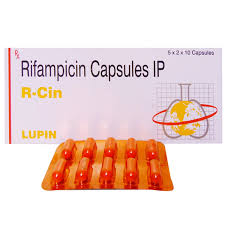
Here’s the detailed profile for Rifampicin Capsule 150 mg 👇
💊 Rifampicin Capsule 150 mg
📘 Description:
- Rifampicin is a semisynthetic rifamycin antibiotic.
- It works by inhibiting DNA-dependent RNA polymerase in bacteria, thereby blocking RNA synthesis.
- It is a bactericidal drug with a broad spectrum of activity, particularly against mycobacteria.
- Essential component of multidrug therapy (MDT) for leprosy and first-line regimen for tuberculosis (TB).
📄 Prescription / Indications:
- Tuberculosis (TB) – cornerstone drug in first-line anti-TB therapy (always used in combination)
- Leprosy (Hansen’s disease) – as part of WHO MDT
- Other mycobacterial infections – atypical mycobacteria
- Prophylaxis of meningococcal meningitis (short-course preventive therapy)
- Staphylococcal infections (in combination)
🌿 Nature / Drug Class:
- Rifamycin antibiotic
- Potent antimycobacterial
- Bactericidal
✅ Advantages:
- Highly effective bactericidal activity against Mycobacterium tuberculosis and M. leprae
- Essential in TB cure regimens
- Single-dose supervised therapy in MDT for leprosy improves compliance
- Effective prophylaxis for meningococcal disease
⚠️ Precautions:
Contraindications:
- Known hypersensitivity to rifampicin or other rifamycins
- Severe liver impairment
Use with caution in:
- Patients with hepatic disease, alcoholism, or concurrent hepatotoxic drugs
- Patients on multiple medications – strong inducer of liver enzymes (CYP450) → reduces effectiveness of many drugs (e.g., oral contraceptives, anticoagulants, antiretrovirals, azoles, etc.)
Adverse effects:
- Common: GI upset (nausea, vomiting, diarrhea), headache, rash
- Hepatotoxicity – elevated liver enzymes, hepatitis
- Discoloration: causes orange-red coloration of urine, sweat, tears, sputum, contact lenses
- Flu-like syndrome with intermittent dosing
- Rare: thrombocytopenia, hemolysis, renal impairment
💊 Dosage (Adults):
- Tuberculosis: 10 mg/kg (usually 450–600 mg daily depending on weight)
- Leprosy (MDT): 600 mg once monthly (supervised dose)
- Meningococcal prophylaxis: 600 mg every 12 hours for 2 days
👉 The 150 mg capsule is often used for dose adjustments in children, low body weight adults, or when combined with other strengths to reach the required dose.
📦 Common Packaging:
- Capsules 150 mg (and also 300 mg)
- Blister strips or bottles
- Included in WHO MDT blister packs (with dapsone & clofazimine) for leprosy
❄️ Storage Conditions:
- Store at room temperature (<25°C)
- Protect from light and moisture
- Keep away from children