
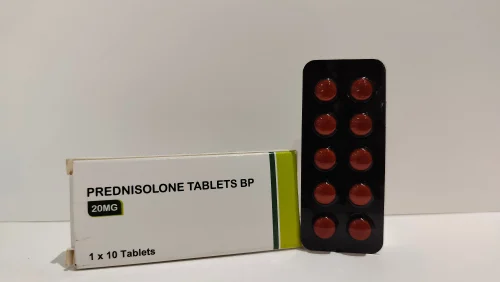
Prednisolone Tablet 20 mg
1. WHAT IS IT?
Prednisolone 20 mg is a synthetic corticosteroid (glucocorticoid) medication. It is an oral tablet designed to be taken by mouth. It mimics the action of cortisol, a natural hormone produced by your adrenal glands, and is used when a more potent anti-inflammatory or immunosuppressive effect is needed compared to lower doses.
2. NATURE (Pharmacology and Mechanism of Action)
- Classification: Glucocorticoid (type of corticosteroid).
- Mechanism of Action:
- Potent Anti-inflammatory: At 20 mg, prednisolone exerts a strong anti-inflammatory effect by reducing the production and action of inflammatory chemicals in the body. This significantly reduces swelling, redness, pain, and other signs of inflammation.
- Strong Immunosuppressive: It powerfully suppresses the immune system, decreasing the activity of various immune cells and pathways. This is crucial in autoimmune diseases where the immune system is overactive.
- Adrenal Hormone Replacement: Can be used to replace natural corticosteroids in conditions of adrenal insufficiency, where the body does not produce enough of its own.
3. ADVANTAGES
- Potent Therapeutic Effect: Provides rapid and strong relief for severe inflammatory and autoimmune conditions.
- Versatile: Can be used for acute, severe flare-ups or as part of a tapering regimen from higher initial doses.
- Oral Convenience: Still offers the convenience of oral administration for a powerful medication.
4. USES (Common Indications for 20 mg strength)
The 20 mg dose is typically used for more severe or acute forms of the conditions listed for 10 mg, or as an initial higher dose that may then be tapered down. Common indications include:
- Severe Allergic Reactions: Acute severe allergic reactions, angioedema.
- Acute Exacerbations of Inflammatory Diseases: Severe flare-ups of asthma, COPD, rheumatoid arthritis, systemic lupus erythematosus (lupus), inflammatory bowel disease (Crohn’s, ulcerative colitis).
- Severe Skin Conditions: Extensive or severe psoriasis, dermatitis.
- Certain Blood Disorders: Autoimmune hemolytic anemia, severe ITP (idiopathic thrombocytopenic purpura).
- Acute Neurological Conditions: Flare-ups of multiple sclerosis, optic neuritis.
- Organ Transplant: As part of immunosuppression regimens to prevent organ rejection.
- Certain Cancers: As part of treatment for some leukemias, lymphomas, and multiple myeloma, often in combination with other chemotherapy agents.
5. PRECAUTIONS
Given the higher dose, the precautions for 20 mg prednisolone are even more critical than for lower doses.
- NEVER Stop Abruptly: This is paramount. Sudden cessation, especially after prolonged use (more than a few weeks), can lead to adrenal crisis (adrenal insufficiency), which is a life-threatening condition. The dose must be tapered down gradually under strict medical supervision.
- Increased Infection Risk: The immunosuppressive effect is stronger at 20 mg, leading to a significantly higher risk of developing severe infections (bacterial, viral, fungal, opportunistic) and masking their symptoms. Avoid contact with sick individuals, especially those with chickenpox, measles, or shingles. Report any signs of infection immediately.
- Exacerbation of Existing Conditions:
- Diabetes: Will likely cause significant elevation in blood sugar. Requires strict blood glucose monitoring and potential adjustment of antidiabetic medications.
- Hypertension (High Blood Pressure): Can cause or worsen high blood pressure. Blood pressure should be regularly monitored.
- Osteoporosis: Long-term use at this dose dramatically increases the risk of bone thinning and fractures. Bone density monitoring and preventive measures (calcium, Vitamin D, bisphosphonates) are crucial.
- Gastrointestinal Issues: Increased risk of stomach ulcers, bleeding, and perforation. Often prescribed with a proton pump inhibitor (PPI) or other stomach protectant.
- Cardiovascular Disease: Can lead to fluid retention and worsen congestive heart failure.
- Mental Health: Higher doses are more likely to cause significant mood swings, anxiety, depression, insomnia, and in rare cases, psychosis.
- Eye Conditions: Can cause or worsen glaucoma and cataracts with prolonged use. Regular eye exams are recommended.
- Growth Suppression in Children: Long-term use in children can inhibit growth. Growth should be closely monitored.
- Pregnancy and Breastfeeding: Should be used only if absolutely necessary, with careful consideration of risks to the fetus. Small amounts pass into breast milk; discuss benefits vs. risks with your doctor.
- Vaccinations: Avoid live vaccines while on high-dose prednisolone due to the immunosuppressive effects.
- Steroid Card: Patients on this dose for extended periods should carry a “steroid card” to alert medical professionals of their steroid dependency in an emergency.
7. STORAGE
- Store Prednisolone tablets at room temperature (typically 20°C to 25°C or 68°F to 77°F).
- Keep them in their original packaging, away from moisture, heat, and direct light.
- Do not store in humid environments like the bathroom.
- Keep out of reach and sight of children and pets.