
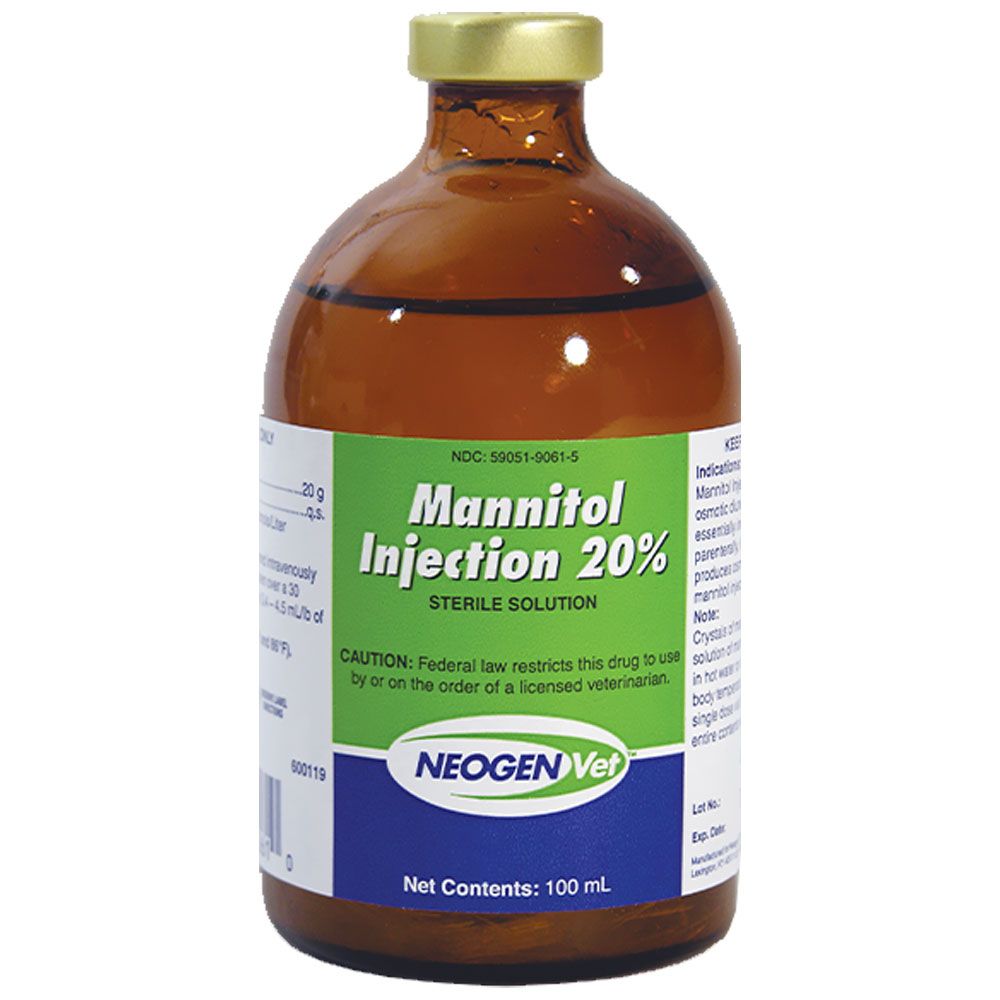
💉 Mannitol Injection 20% – As Licensed
📄 Description:
Mannitol 20% Injection is a sterile, hypertonic solution of Mannitol in Water for Injection. It acts as an osmotic diuretic and renal diagnostic agent, commonly used for reducing intracranial pressure, intraocular pressure, and promoting diuresis in acute renal conditions.
🧾 Prescription / Use:
Indications:
- Cerebral edema / Increased intracranial pressure
- Acute glaucoma / Intraocular hypertension
- Acute kidney injury (AKI) with oliguria
- To promote urinary excretion of toxins
- Diagnostic aid for kidney function
Dosage:
- Adults: 0.25–2 g/kg IV over 30–60 minutes
- Commonly 20–100 mL of 20% Mannitol depending on indication
- Dosage adjusted based on urine output, fluid balance, and clinical response
Route: Intravenous (slow infusion or bolus depending on urgency)
Strength: 20% = 20 g Mannitol per 100 mL solution
🔬 Nature:
- Pharmacologic class: Osmotic diuretic
- Mechanism: Elevates plasma osmolarity, drawing water from tissues (e.g., brain, eyes) into circulation; enhances renal filtration and urine output
🌟 Advantages:
- Provides rapid reduction of raised intracranial or intraocular pressure
- Helps prevent renal failure in critical conditions
- Facilitates toxin elimination in poisonings
- Can be used to prime dialysis or cardiopulmonary bypass circuits
📦 Common Packaging:
- 100 mL, 250 mL, 500 mL infusion bottles or bags
- Glass vials or plastic containers (FFS or BFS sterile packaging)
- Clear labeling: strength, batch number, manufacturing & expiry dates
🧊 Storage:
- Store at 20–25°C (room temperature)
- Do not refrigerate – may cause crystallization
- If crystals appear, gently warm in hot water bath (not above 60°C) and shake to dissolve
- Do not use if particles remain undissolved or solution is discolored
⚠️ Precautions:
Contraindications:
- Established anuria
- Severe dehydration
- Active intracranial bleeding (except during surgery)
- Congestive heart failure
- Pulmonary edema
- Hypersensitivity to Mannitol
Cautions:
- Monitor for fluid overload, electrolyte imbalance, and renal function
- Can cause hyperosmolar states leading to CNS symptoms
- Discontinue if urine output does not increase after test dose
Monitoring:
- Serum electrolytes, especially Na+, K+, and osmolarity
- Urine output (>30–50 mL/hr preferred)
- Renal and cardiac status during infusion
- Watch for signs of pulmonary congestion, headache, drowsiness
👩⚕️ Patient Advice:
- Will be administered in a hospital or emergency setting only
- Inform healthcare providers of chest pain, difficulty breathing, or confusion
- Do not consume excess fluids unless directed
- You may feel chilly, nauseated, or have increased urination during infusion
- Be aware that Mannitol may require frequent blood and urine tests