
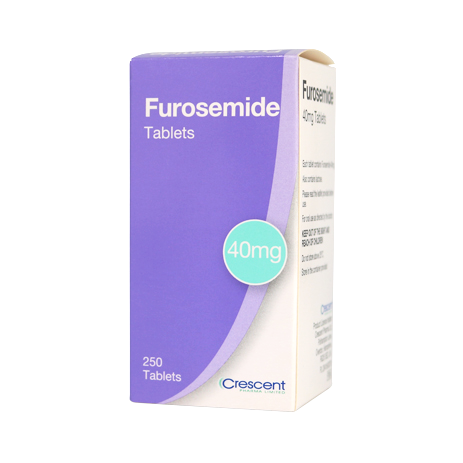
💊 Furosemide Tablet 40 mg – As Licensed
📄 Description:
Furosemide is a loop diuretic used to remove excess fluid from the body by increasing urine production. It acts on the loop of Henle in the kidney, inhibiting sodium and chloride reabsorption.
🧾 Prescription / Use:
Indications:
- Edema due to heart failure, liver cirrhosis, or renal disease (including nephrotic syndrome)
- Hypertension (especially with fluid overload)
- Acute pulmonary edema (oral use for maintenance)
- Hypercalcemia (adjunct therapy)
Dosage:
- Adults: 20–80 mg/day, in single or divided doses
- May be increased in resistant cases under medical supervision
Route: Oral
Frequency: Once or twice daily (often morning to avoid nighttime urination)
🔬 Nature:
- Pharmacologic class: High-ceiling (loop) diuretic
- Action: Inhibits Na⁺/K⁺/2Cl⁻ transporter in the thick ascending loop of Henle → promotes natriuresis and diuresis
- Onset of action (oral): 30–60 minutes
- Duration: 6–8 hours
🌟 Advantages:
- Powerful diuretic effect
- Rapid reduction of fluid overload
- Useful in heart failure, renal impairment, and hepatic edema
- Reduces preload in heart failure, improving symptoms like breathlessness
📦 Common Packaging:
- Strips or blister packs, usually 10 tablets per strip
- Strength clearly indicated (40 mg)
- Often color-coded or marked for easy identification
🧊 Storage:
- Store at room temperature (15–30°C)
- Protect from light and moisture
- Keep out of reach of children
⚠️ Precautions:
Contraindications:
- Severe hypokalemia, hyponatremia
- Anuria (inability to produce urine)
- Hepatic coma
- Known hypersensitivity to furosemide or sulfonamides
Caution In:
- Elderly patients
- Patients with gout (can increase uric acid)
- Patients with diabetes mellitus (may affect glucose tolerance)
- Electrolyte imbalance – monitor sodium, potassium, magnesium
Monitoring:
- Regular checks of electrolytes, renal function, blood pressure
- ECG in high-risk or cardiac patients
Drug Interactions:
- NSAIDs may reduce diuretic effect
- ACE inhibitors, digoxin, and lithium – increased risk of toxicity
- May enhance ototoxicity with aminoglycosides (though more common with IV)
👩⚕️ Patient Advice:
- Take early in the day to avoid nocturia
- Monitor for signs of dehydration (dry mouth, dizziness, muscle cramps)
- Report symptoms of low potassium: weakness, fatigue, irregular heartbeat
- Maintain a potassium-rich diet (or supplements if prescribed)
- Inform doctor if pregnant, breastfeeding, or planning surgery
- Regular lab tests are important to ensure safe use