
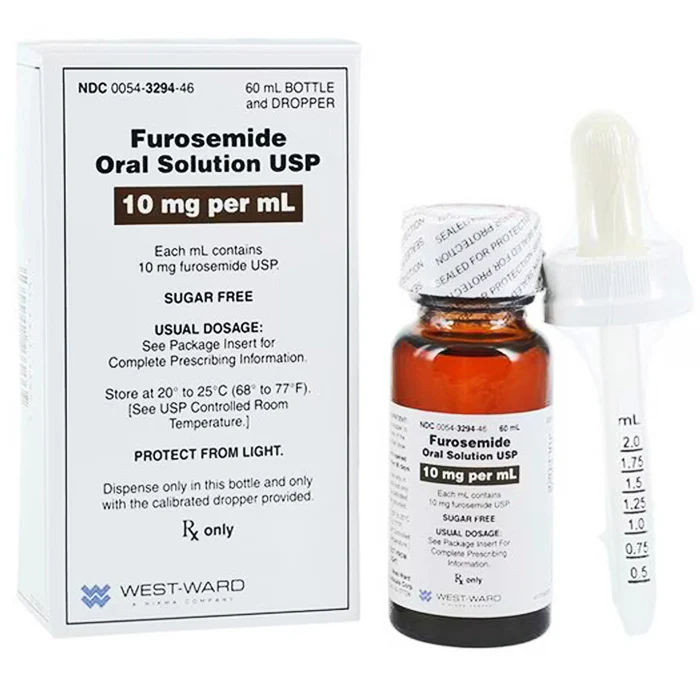
💧 Furosemide Oral Liquid 10 mg/mL – As Licensed
📄 Description:
Furosemide is a loop diuretic used to treat fluid overload (edema) and manage hypertension, especially in pediatric and elderly patients or in those who have difficulty swallowing tablets. The oral liquid form (10 mg/mL) allows flexible dosing.
🧾 Prescription / Use:
Indications:
- Edema due to congestive heart failure, renal disease, hepatic cirrhosis
- Hypertension (as adjunct therapy)
- Pediatric edema
- Acute or chronic fluid retention
Dosage:
- Adults: Initial dose typically 20–80 mg/day in divided doses
- Pediatrics: 1–2 mg/kg/day (max 6 mg/kg/day), divided doses
- Adjust based on patient response and renal function
Route: Oral
Form: Liquid (syrup/suspension)
Concentration: 10 mg per mL
🔬 Nature:
- Therapeutic Class: Loop diuretic
- Mechanism of Action: Inhibits sodium and chloride reabsorption in the thick ascending limb of the loop of Henle
- Effect: Increased urinary excretion of water, sodium, chloride, magnesium, calcium
🌟 Advantages:
- Precise dosing in children and frail adults
- Suitable for patients with dysphagia
- Faster absorption compared to tablets
- Flexible dose titration in renal/cardiac conditions
- Useful for home or long-term care settings
📦 Common Packaging:
- Supplied in amber-colored bottles, typically 30 mL, 60 mL, or 100 mL
- Comes with measuring device (syringe or cup)
- Label includes concentration, expiry, and dosage directions
🧊 Storage:
- Store at 15–30°C
- Keep tightly closed in original container
- Protect from light and moisture
- Shake well before use
- Use within specified days after opening (usually 30 days)
⚠️ Precautions:
Contraindications:
- Anuria
- Severe electrolyte depletion (especially hypokalemia)
- Hypersensitivity to furosemide or sulfa drugs
Caution in:
- Neonates and premature infants (monitor carefully)
- Patients with liver disease, diabetes, gout
- Risk of ototoxicity with prolonged use or high doses
Monitoring:
- Serum electrolytes (Na⁺, K⁺, Cl⁻, Ca²⁺, Mg²⁺)
- Renal function, blood pressure
- Weight monitoring for fluid loss
Drug Interactions:
- May enhance effect of antihypertensives
- Caution with digoxin, lithium, NSAIDs
👩⚕️ Patient Advice:
- Shake well before each use
- Measure dose with syringe or marked cup – do not guess
- Take dose early in the day to avoid nighttime urination
- Report muscle cramps, dizziness, excessive thirst, or confusion
- Maintain fluid and potassium intake as advised
- Frequent follow-up tests are necessary
- Do not adjust dose or stop without consulting your doctor