
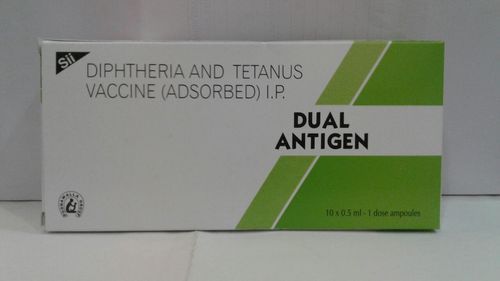
- Diphtheria – caused by Corynebacterium diphtheriae
- Pertussis (whooping cough) – caused by Bordetella pertussis
- Tetanus – caused by Clostridium tetani
It contains diphtheria and tetanus toxoids and inactivated whole-cell pertussis bacteria.
💊 Prescription/Use:
- Indication:
Prevention of diphtheria, pertussis, and tetanus in children. - Age of Administration (as per UIP – India):
- 3 primary doses: at 6, 10, and 14 weeks of age
- 1st booster: at 16–24 months
- 2nd booster: at 5–6 years of age
- Route of Administration:
- Intramuscular (IM) injection, usually in the anterolateral thigh for infants and deltoid for older children
- Dosage:
- 0.5 mL per dose
🔬 Nature:
- Type: Inactivated (killed) vaccine
- Formulation:
- Diphtheria toxoid
- Tetanus toxoid
- Inactivated whole-cell B. pertussis
- Usually available as a liquid suspension ready for injection
🌟 Advantages:
- Protects against three potentially fatal childhood diseases in one injection
- Reduces disease severity, complications, and mortality
- Integral part of national immunization programs worldwide
- Proven long-term effectiveness and safety
📦 Common Packaging:
- Supplied in single-dose or multi-dose vials (e.g., 10-dose vials)
- Includes product insert, label, and vaccine vial monitor (VVM)
- May be included in combination with other vaccines (e.g., Pentavalent)
🧊 Storage:
- Store at 2°C to 8°C (Refrigerated)
- Do not freeze — freezing destroys potency
- Protect from light and heat
- Shake well before use if settled
⚠️ Precautions:
- Do not administer if there is:
- Known hypersensitivity to any component
- History of anaphylaxis or severe adverse reaction to previous DPT dose
- Neurological disorders (like uncontrolled epilepsy) without medical clearance
- Delay vaccination during moderate to severe acute illness
- Use caution in preterm or low-birth-weight infants
👩⚕️ Patient Advice:
- Mild fever, irritability, pain or swelling at the injection site is common — resolves within 1–2 days
- Give paracetamol if prescribed for fever or pain
- Observe the child for 24–48 hours after vaccination
- Seek medical attention for high-pitched crying, seizure, persistent vomiting, or allergic reactions
- Complete the full vaccine schedule for full protection
- Keep the child’s immunization card updated