
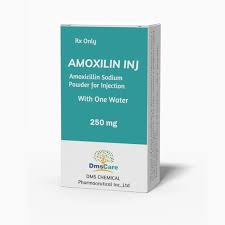
Here is the detailed overview for:
💉 Amoxicillin Powder for Injection 250 mg
🧪 Nature / Drug Class
🔹 Beta-lactam antibiotic
🔹 Drug class: Aminopenicillin
🔹 Bactericidal action by inhibiting bacterial cell wall synthesis
🩺 Purpose / Indications
Used in adults and children for treating moderate to severe bacterial infections, including:
- Sepsis
- Lower respiratory tract infections (e.g., pneumonia)
- Genitourinary infections
- Skin and soft tissue infections
- Intra-abdominal infections
- ENT infections
- Post-surgical prophylaxis
⚙️ Advantages
✔️ Rapid onset via IV or IM route
✔️ Suitable when oral route is not possible
✔️ Used in hospital or emergency settings
✔️ Can be combined with beta-lactamase inhibitors (e.g., clavulanic acid)
💉 Dosage & Administration
- Route: Intramuscular (IM) or Intravenous (IV) injection
- Reconstitution:
- Typically with sterile water for injection
- Administer immediately after preparation
- Dose adjustment: Required in renal impairment and neonates
📦 Common Packaging
- Glass vial with 250 mg of sterile amoxicillin sodium powder
- Single-use vial
- Often supplied in dry lyophilized form
⚠️ Patient Advice / Precautions
- Inform doctor of allergies to penicillins or cephalosporins
- Observe for signs of anaphylaxis during injection
- Monitor renal function in long-term use
- Risk of superinfection with prolonged use
- Pain or swelling at injection site may occur (IM route)
💢 Common Side Effects
- Injection site reactions: pain, swelling, redness
- Allergic reactions: rash, urticaria, anaphylaxis
- Gastrointestinal upset (if systemic absorption occurs)
- Rare: Seizures (high doses in renal failure)
🧊 Storage
- Store vials below 25°C, protected from moisture
- After reconstitution:
- Use immediately
- If diluted for IV use, follow hospital/pharmacy guidelines
- Do not freeze the solution after reconstitution