
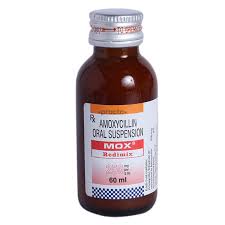
Here is a complete overview of:
💊 Amoxicillin Oral Liquid 250 mg/5 mL
(p) – Pediatric use
🧪 Nature / Drug Class
🔹 Broad-spectrum beta-lactam antibiotic
🔹 Drug Class: Aminopenicillin
🔹 Mechanism: Inhibits bacterial cell wall synthesis
🩺 Purpose / Indications
Commonly prescribed in children for:
- Upper respiratory tract infections: tonsillitis, pharyngitis, otitis media
- Lower respiratory infections: bronchitis, pneumonia
- Urinary tract infections
- Skin and soft tissue infections
- Typhoid fever (based on clinical judgment)
- Dental infections
- Part of H. pylori treatment in pediatric cases (with other drugs)
⚙️ Advantages
✔️ High-dose formulation for older children or severe infections
✔️ Sugar-flavored for pediatric compliance
✔️ Effective against a wide range of bacteria
✔️ Easily measurable liquid for weight-based dosing
📦 Common Packaging
- Bottle: 60 mL, 100 mL, or 120 mL
- Dry powder for oral suspension
- Strength after reconstitution: 250 mg/5 mL
⚠️ Patient Advice / Precautions
- Shake well before every dose
- Use a dosing spoon, cup, or oral syringe
- Complete the full antibiotic course
- Refrigerate after reconstitution (2°C–8°C)
- Discard any unused suspension after 7–10 days
- Watch for allergy symptoms (rash, itching, swelling)
- Inform doctor if diarrhea persists or if the infection does not improve
💢 Common Side Effects
- Diarrhea
- Nausea
- Rash
- Rare: Hypersensitivity, anaphylaxis, Clostridioides difficile infection
🧊 Storage
- Before reconstitution: Store dry powder at room temperature (below 25°C)
- After reconstitution: Refrigerate and use within 7–10 days
- Keep bottle tightly closed and out of reach of children