
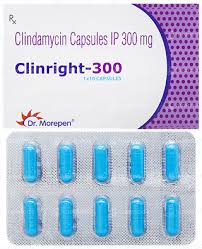
Here’s the structured profile for Clindamycin Capsule 300 mg 👇
💊 Clindamycin Capsule 300 mg
📘 Description:
Clindamycin is a lincosamide antibiotic available in capsule form containing 300 mg. It works by inhibiting bacterial protein synthesis through binding to the 50S ribosomal subunit.
This strength is commonly used for moderate to severe bacterial infections requiring higher dosing.
📄 Prescription / Indications:
- Respiratory tract infections – pneumonia, bronchitis, tonsillitis
- Skin & soft tissue infections – abscesses, cellulitis, infected wounds
- Bone & joint infections – osteomyelitis, septic arthritis
- Intra-abdominal infections (in combination therapy)
- Pelvic infections – PID, endometritis
- Dental infections
- Septicemia & serious systemic infections due to susceptible organisms
🌿 Nature / Drug Class:
- Antibiotic
- Lincosamide class
- Bacteriostatic (can be bactericidal at higher concentrations)
✅ Advantages:
- Covers Gram-positive bacteria (including some MRSA strains)
- Active against anaerobic bacteria
- Good penetration into bone, skin, and soft tissues
- Alternative for penicillin-allergic patients
⚠️ Precautions:
- May cause Clostridium difficile-associated diarrhea (pseudomembranous colitis)
- Use cautiously in patients with GI disorders, liver or kidney impairment
- Avoid unnecessary prolonged use → risk of resistance
- Side effects: diarrhea, nausea, vomiting, abdominal pain, rash, elevated liver enzymes
- May interact with neuromuscular blocking drugs and certain antibiotics
📦 Common Packaging:
- Blister strips of 10 or 15 capsules
- Bulk packs available for hospital supply
❄️ Storage Conditions:
- Store below 25°C, protected from heat & moisture
- Keep in original pack until use
- Out of reach of children