
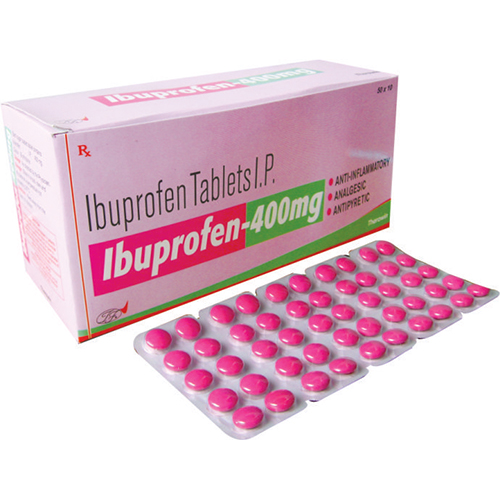
✅ Prescription / Indication:
Ibuprofen 400 mg tablets are usually prescription-only, especially in many countries, and are used for:
- Moderate pain relief (e.g., dental pain, musculoskeletal pain)
- Fever reduction
- Inflammatory conditions, including:
- Rheumatoid arthritis
- Osteoarthritis
- Ankylosing spondylitis
- Menstrual cramps (dysmenorrhea)
- Post-operative pain
📄 Description:
- Active ingredient: Ibuprofen
- Form: Oral tablet (film-coated)
- Strength: 400 mg
- Class: NSAID (Non-Steroidal Anti-Inflammatory Drug)
- Mechanism: Inhibits cyclooxygenase enzymes (COX-1 and COX-2), reducing prostaglandin synthesis, which helps relieve pain, fever, and inflammation
🌟 Advantages:
- Stronger relief for moderate to moderately severe pain
- Anti-inflammatory properties for chronic joint and muscle conditions
- Rapid onset (30–60 minutes)
- May reduce reliance on opioid painkillers for certain conditions
- Effective for post-surgical or post-traumatic inflammation
🔬 Nature:
- Therapeutic effects: Analgesic (pain relief), antipyretic (fever-reducing), anti-inflammatory
- Drug class: NSAID
- Action: Symptomatic relief; does not treat the underlying disease
📦 Common Package:
- Blister packs or plastic bottles
- Typical sizes: 10, 20, or 100 tablets
- Often film-coated to reduce gastric irritation
- Sometimes color-coded or embossed for easy identification
🧊 Storage Conditions:
- Store at 20°C to 25°C (68°F to 77°F)
- Protect from heat, light, and moisture
- Store in original container
- Keep away from children and pets
👨⚕️ Patient Advice / Precautions:
✅ Do:
- Take with food, milk, or a full glass of water to reduce stomach upset
- Follow prescribed dose and frequency strictly
- Inform your doctor if taking long-term (risk of kidney, GI, or heart issues)
- Tell your doctor about other medications, especially:
- Blood thinners (e.g., warfarin)
- Corticosteroids
- Antihypertensives
- Diuretics
❌ Avoid:
- Exceeding 1200 mg/day without doctor’s approval (OTC max) or 2400 mg/day (Rx max)
- Using with alcohol or smoking—increased GI bleeding risk
- Taking if allergic to NSAIDs or aspirin
- Prolonged use during pregnancy (especially third trimester) or breastfeeding without medical advice
- Using with peptic ulcer, renal disease, or heart failure unless directed
⚠️ Possible Side Effects:
- Stomach pain, heartburn
- Nausea, dizziness
- GI bleeding or ulcers (long-term use)
- Kidney issues (in chronic use)
- Elevated blood pressure
🚨 Seek Medical Help If You Notice:
- Black/tarry stools, blood in vomit
- Chest pain or shortness of breath
- Sudden swelling (face, lips), rash, itching
- Decreased urine output