
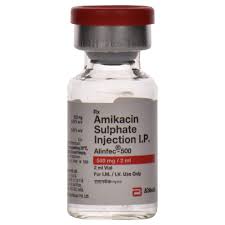
Here is the full overview of:
💉 Amikacin Injection 500 mg/mL
🌿 Nature / Drug Class:
- Amikacin is an aminoglycoside antibiotic
- Bactericidal – it kills bacteria by inhibiting protein synthesis
- Effective against gram-negative bacteria and some gram-positive strains, including resistant species
🎯 Purpose / Indications:
Used in moderate to severe infections, particularly in hospitals:
- Sepsis / bloodstream infections
- Severe urinary tract infections (UTIs)
- Respiratory tract infections (including hospital-acquired pneumonia)
- Intra-abdominal infections
- Bone, joint, or skin infections
- Multidrug-resistant TB (as a second-line agent)
- Post-surgical or ICU-related infections
✅ Advantages:
- High concentration (500 mg/mL) allows for low-volume administration, helpful in fluid-restricted patients
- Good coverage against:
- E. coli
- Klebsiella pneumoniae
- Pseudomonas aeruginosa
- Acinetobacter
- Effective in cases where other antibiotics fail
💉 Form & Administration:
- Concentration: 500 mg/mL
- Common vial: 1 mL = 500 mg
- Route:
- Intramuscular (IM)
- Intravenous (IV) (direct slow injection or infusion)
- Dosing is weight-based:
- Adults: usually 15 mg/kg/day divided every 12 hours
- Children & neonates: weight-based adjustment
- Kidney patients: dosage must be modified carefully
📦 Common Packaging:
- 1 mL vial or ampoule containing 500 mg
- Used in hospital setups (ICU, emergency, etc.)
⚠️ Precautions / Monitoring:
- Strictly for hospital or clinical use
- Therapeutic drug monitoring (TDM) is advised
- Monitor:
- Renal function (creatinine levels)
- Hearing (risk of ototoxicity)
- Use with caution in:
- Elderly
- Pre-existing kidney issues
- Concurrent use of other nephrotoxic drugs (e.g., diuretics)
Possible Side Effects:
- Nephrotoxicity (kidney damage – usually reversible)
- Ototoxicity (hearing loss or balance problems – sometimes permanent)
- Pain, swelling, or redness at injection site
- Rarely: allergic reaction
🧊 Storage:
- Store at 2°C to 8°C (Refrigerated)
- Do not freeze
- Protect from light
- Use immediately after opening or as per hospital protocol