
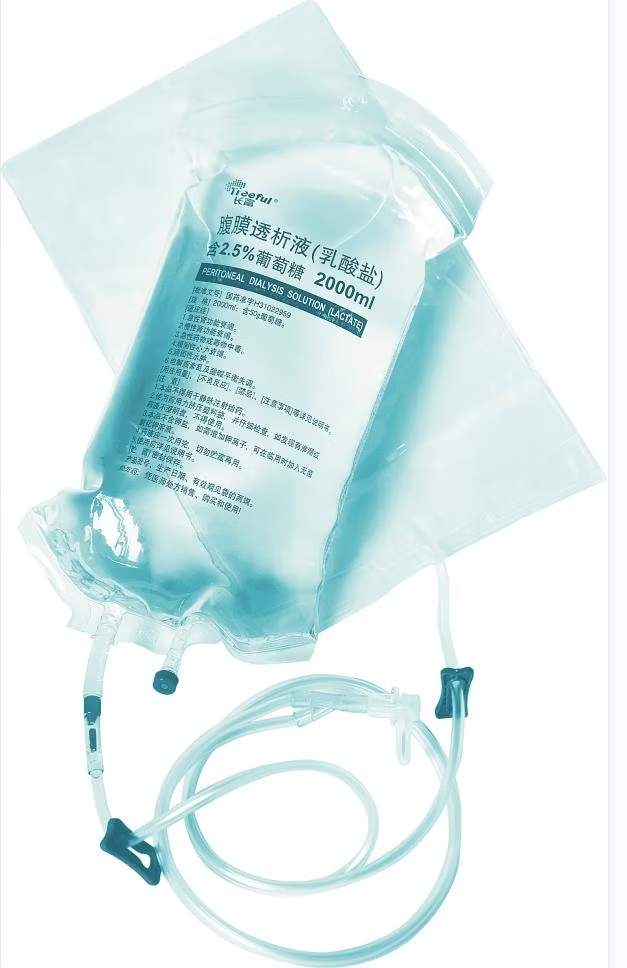
💧 Peritoneal Dialysis Solution (As Licensed)
Peritoneal dialysis (PD) solution is a sterile, balanced osmotic fluid used to remove waste products and excess fluid from the blood through the peritoneal membrane in the abdominal cavity.
📌 1. Prescription / Indication:
Used in:
- Chronic kidney disease (especially end-stage renal disease – ESRD)
- Acute renal failure (in selected cases)
- Preferred for home-based or ambulatory dialysis
- Suitable for children and elderly patients
📄 2. Description:
- A clear, sterile, non-pyrogenic aqueous solution
- Contains glucose as an osmotic agent
- Introduced into the peritoneal cavity via a catheter
- Waste products and water move from blood into the solution across the peritoneal membrane
🔬 3. Nature / Composition:
Typical components per liter (may vary slightly by brand or prescription):
| Component | Typical Range |
|---|---|
| Sodium (Na⁺) | ~132 mmol/L |
| Calcium (Ca²⁺) | ~1.25–1.75 mmol/L |
| Magnesium (Mg²⁺) | ~0.25–0.75 mmol/L |
| Chloride (Cl⁻) | ~95–105 mmol/L |
| Lactate (buffer) | ~35–40 mmol/L |
| Glucose | 1.5%, 2.5%, or 4.25% w/v |
- Higher glucose % increases ultrafiltration (fluid removal)
- Some newer solutions contain icodextrin or amino acids as alternatives to glucose
🌟 4. Advantages:
- Enables home-based dialysis (CAPD/APD)
- Fewer dietary restrictions than hemodialysis
- Better preservation of residual renal function
- More stable hemodynamics
- No need for vascular access like fistula or catheter
📦 5. Common Packaging:
- Available in 2L or 2.5L bags
- Single-chamber or twin-bag systems
- Bags are PVC-free, connected to tubing and drainage bags
- Common systems:
- CAPD (Continuous Ambulatory PD)
- APD (Automated PD with machine overnight)
🧊 6. Storage:
- Store at 15–30°C, away from direct light and freezing
- Use before expiration date
- Inspect the bag for clarity and leaks before use
- Do not use if cloudy or discolored
👩⚕️ 7. Patient Advice:
- Follow strict aseptic technique during exchanges
- Watch for signs of peritonitis:
- Cloudy effluent
- Fever
- Abdominal pain
- Maintain fluid balance chart
- Ensure catheter care to prevent infections
- Follow the dialysis schedule strictly
🎯 8. Purpose:
- Removes urea, creatinine, and electrolytes
- Manages fluid overload
- Helps maintain acid–base and electrolyte balance
- An alternative when hemodialysis is not preferred or not possible
⚠️ Precautions / Warnings:
- Use only under medical supervision
- Individualize solution based on fluid status and electrolyte levels
- Glucose-based solutions can affect blood sugar levels, especially in diabetics
- Risk of protein loss, peritonitis, and catheter-related complications