
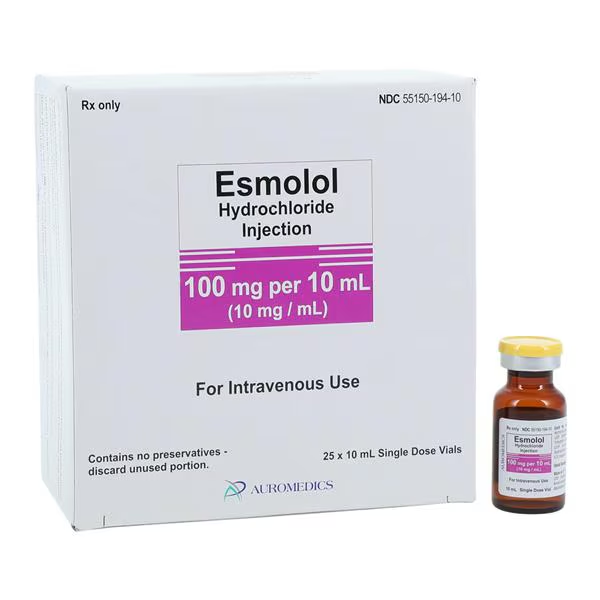
📌 Medicine Name:
Esmolol Injection 10 mg/mL
(Generic Name: Esmolol Hydrochloride)
📋 Description / Prescription:
- Form: Sterile injectable solution
- Strength: 10 mg per mL
- Route: Intravenous (IV) use only
- Prescription Status: ✅ Prescription-only medicine
- Class: Ultra-short-acting selective β₁-blocker
💉 Indications / Uses:
Used in acute clinical settings for:
- Supraventricular tachycardia (SVT)
- Rapid control of ventricular rate in atrial fibrillation or flutter
- Perioperative tachycardia and hypertension
- Management of hypertensive emergencies
- Short-term control of heart rate in unstable angina or myocardial infarction
🔬 Nature / Mechanism of Action:
- Selectively blocks beta-1 adrenergic receptors (mainly in the heart)
- Reduces heart rate, contractility, and cardiac output
- Very rapid onset (within 1–2 minutes)
- Short half-life (~9 minutes) allows easy titration and quick withdrawal
- Rapid metabolism by red blood cell esterases
✅ Advantages / Benefits:
- ✅ Precise, rapid control of heart rate and blood pressure
- ✅ Short duration reduces risk of prolonged adverse effects
- ✅ Useful in critically ill or surgical patients
- ✅ Can be easily stopped if hypotension or bradycardia occurs
- ✅ Does not significantly affect beta-2 receptors (less bronchoconstriction)
📦 Packaging:
- Supplied in:
- Ampoules, vials, or pre-filled syringes
- Common pack sizes: 10 mL, 20 mL, 100 mL
- Concentration: 10 mg/mL (can also be diluted to 2.5 mg/mL or 5 mg/mL for infusion)
- Often labeled as ready-to-use or concentrate for dilution
🌡️ Storage Instructions:
- Store at 15°C to 25°C (59°F–77°F)
- Protect from light and freezing
- Use aseptically; discard unused portion
- Once opened or diluted, use within recommended time
⚠️ Precautions / Contraindications:
❌ Contraindications:
- Severe bradycardia
- Heart block greater than first degree (without pacemaker)
- Cardiogenic shock
- Decompensated heart failure
- Hypersensitivity to esmolol or beta-blockers
⚠️ Caution in:
- Bronchospastic disease (e.g., asthma)
- Diabetes mellitus – masks hypoglycemia symptoms
- Renal impairment – not significantly eliminated via kidneys, but still monitor
- Concurrent use of calcium channel blockers or digoxin
👩⚕️ Patient Advice :
- Explain that the drug is to control fast heart rate or high BP quickly
- Inform about possible symptoms like dizziness, fatigue, or cold hands
- Advise patient to report chest pain, excessive tiredness, or shortness of breath
- Inform that effects will wear off quickly once stopped