
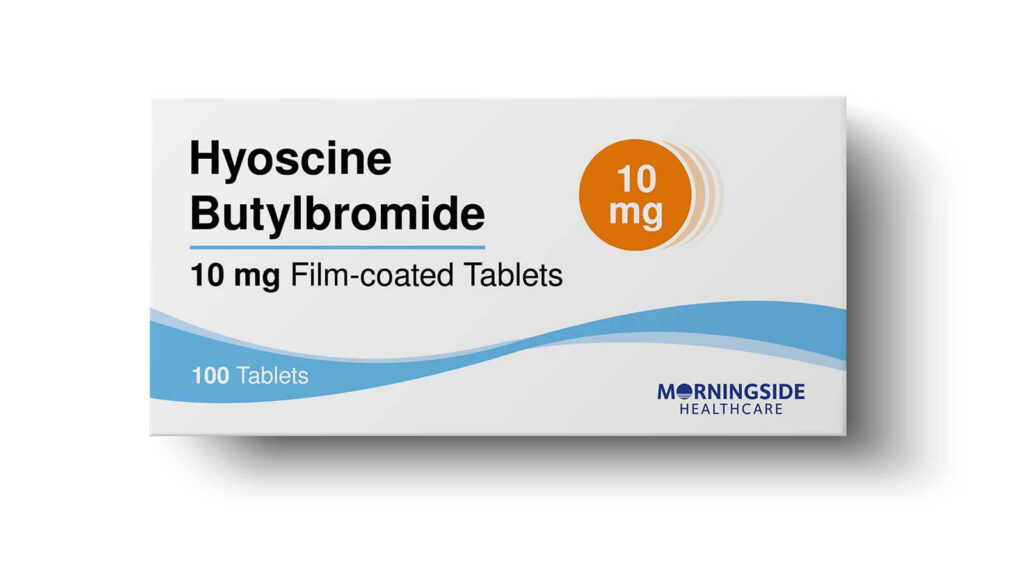
Hyoscine Butylbromide Tablet 100 mg – As Licensed
📄 Description:
Hyoscine butylbromide (also known as scopolamine butylbromide) is an antispasmodic agent that works by relaxing smooth muscles of the gastrointestinal, biliary, and urinary tracts. It is used to relieve spasms and associated pain.
🧾 Prescription / Indications:
Indicated for:
- Spasmodic abdominal pain
- Irritable bowel syndrome (IBS)
- Renal colic and biliary colic
- Menstrual cramps
- Bladder spasms
Dosage:
- Adults: 100 mg orally up to 3–4 times daily, or as directed by a physician
- Use with caution in elderly patients or those with preexisting medical conditions
🔬 Nature:
- Drug class: Anticholinergic / Antispasmodic
- Mechanism: Blocks muscarinic receptors in smooth muscle, reducing spasm
- Formulation: Oral tablet, 100 mg
- Does not cross the blood-brain barrier significantly → fewer central side effects
🌟 Advantages:
- Fast and effective relief of abdominal cramping
- Non-sedating due to poor CNS penetration
- Can be used in combination with analgesics
- Useful in both gastrointestinal and urinary tract spasms
📦 Common Packaging:
- Strip or blister pack of 10 tablets
- Boxed in units of 10 or 100 tablets, depending on manufacturer
🧊 Storage:
- Store at room temperature (below 25°C)
- Keep away from moisture and direct sunlight
- Keep in original packaging until use
⚠️ Precautions:
- Avoid in patients with:
- Myasthenia gravis
- Narrow-angle glaucoma
- Prostatic hypertrophy or urinary retention
- Severe ulcerative colitis
- Use cautiously in:
- Elderly patients
- Those with tachycardia, GI obstruction, or cardiovascular disease
Side effects may include:
- Dry mouth
- Constipation
- Blurred vision
- Increased heart rate
- Urinary retention
👩⚕️ Patient Advice:
- Take the tablet with water; may be taken with or without food
- Do not exceed prescribed dose
- Avoid driving if experiencing blurred vision or dizziness
- Report any urinary difficulty or eye pain (risk of glaucoma)
- Inform the doctor of all other medications, especially anticholinergics