
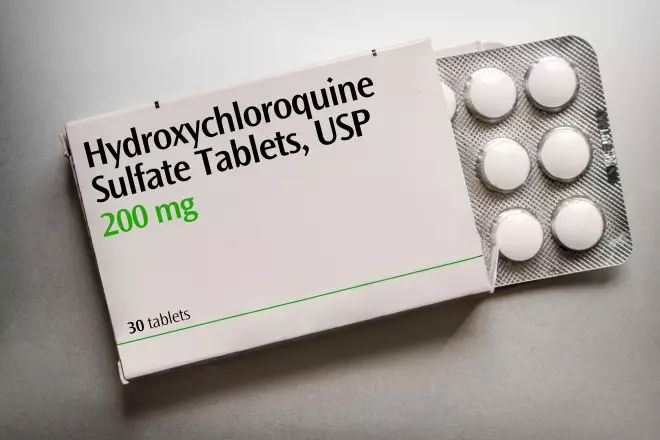
💊 Hydroxychloroquine Tablet 200 mg
📘 Description:
Hydroxychloroquine 200 mg is an oral antimalarial and disease-modifying antirheumatic drug (DMARD). Tablets are usually white to off-white, film-coated, and round or oval, marked with dosage or brand insignia depending on the manufacturer.
🔬 Nature / Drug Class:
- Drug Class: Antimalarial; DMARD
- Mechanism of Action:
- Inhibits antigen presentation and immune system overactivity
- Modulates lysosomal pH in antigen-presenting cells
- Has anti-inflammatory and antithrombotic properties
🩺 Prescription / Uses:
| Condition | Purpose |
|---|---|
| Rheumatoid arthritis (RA) | Slows joint damage and reduces inflammation |
| Systemic lupus erythematosus | Controls flares, especially skin/joint symptoms |
| Discoid lupus | Treats skin lesions |
| Malaria (prophylaxis/treatment) | For P. vivax, P. ovale, P. malariae |
| Sjogren’s syndrome | Off-label use for dryness and fatigue |
| COVID-19 (investigational) | Not recommended—no proven benefit |
✅ Advantages:
- Mild immunosuppression (low infection risk compared to others)
- Well-tolerated long-term by most patients
- Can be used during pregnancy (in lupus patients)
- Effective in reducing fatigue, rash, and joint pain in autoimmune disease
- Anti-thrombotic benefit in lupus
⚠️ Precautions:
- Regular eye exams (baseline and annual after 5 years): risk of retinopathy
- Use caution in patients with kidney or liver impairment
- Avoid in glucose-6-phosphate dehydrogenase (G6PD) deficiency (risk of hemolysis)
- Take with food to avoid GI upset
📦 Storage:
- Store at room temperature (15–30°C)
- Keep in a dry, light-protected place
- Keep out of reach of children
📌 Patient Advice:
- Inform doctor of blurred vision, difficulty reading, or eye pain
- Schedule baseline and regular ophthalmologic exams
- Continue taking even if feeling better — this is a long-term therapy
- Do not stop suddenly unless advised by your doctor
- Safe for use during pregnancy in lupus with proper monitoring